ODE Establishes the Hòa Nguyễn Impact Awards to Celebrate Student Attendance
 The Oregon Department of Education (ODE) is proud to announce the launch of the
Hòa Nguyễn Impact Awards, established in honor of the extraordinary legacy of State Representative Hòa Nguyễn, who passed away last year. Representative Nguyễn’s life’s work centered on supporting Oregon students and strengthening the conditions that help them attend school regularly, feel connected, and thrive.
The Oregon Department of Education (ODE) is proud to announce the launch of the
Hòa Nguyễn Impact Awards, established in honor of the extraordinary legacy of State Representative Hòa Nguyễn, who passed away last year. Representative Nguyễn’s life’s work centered on supporting Oregon students and strengthening the conditions that help them attend school regularly, feel connected, and thrive.
Her advocacy continues to guide statewide efforts to ensure every student is seen, supported, and present. “Representative Nguyễn’s legacy reminds us that when we invest in belonging, connection, and opportunity, students show up and succeed,” Governor Tina Kotek said. “These awards honor the educators and communities carrying that vision forward every day.”
In tribute to her commitment to improving student attendance and well-being, ODE is opening the Hòa Nguyễn Impact Awards for self-nominations. Most categories are open to any eligible public education entity in Oregon, with one category determined directly by ODE.
“On behalf of our family, we’re deeply honored to see an award created in Hòa’s name,” said Tommy Nguyễn, brother of the late Rep. Nguyễn. “She believed that every student deserves the chance to show up, feel supported, and succeed, and she understood that attendance is about so much more than being present. It’s about whether a child has what they need to thrive. This award carries forward her life’s work and her love for Oregon’s students.”
Categories include:
- Most Improved Regular Attendance: This award will be determined and awarded by ODE. No nomination is required. It recognizes the percentage-point increase in overall regular attendance from the 2024-25 school year to the 2025-26 school year, based on ODE’s May 1 data collection.
-
Most Innovative Attendance Practice: Celebrates creative strategies that remove attendance barriers, including transportation solutions, culturally relevant engagement, wellness supports, and community partnerships.
-
Attendance Champion: Recognizes sustained, multi-year excellence in improving regular attendance. Eligible entities must demonstrate increased attendance annually for five consecutive years, beginning with the 2021-22 school year.
-
Student and Family Partnership Award: Honors collaborative models that center students, families, caregivers, and community partners as co-designers of attendance solutions.
-
Equity Impact Award: Recognizes meaningful progress toward closing gaps particularly for focal student groups in K-12 regular attendance.
Why These Awards Matter
Improving regular attendance is deeply relational work that requires partnership, creativity, and a belief in every student’s potential. The Hòa Nguyễn Impact Awards highlight the innovation, resilience, and collaboration happening across the state; efforts that are helping build a more equitable education system where every student belongs.
“Across Oregon, educators and communities are demonstrating what’s possible when we center students and families in our work,” said Dr. Charlene Williams, Director of ODE. “We look forward to celebrating the impact these efforts are yielding statewide.”
ODE encourages all eligible entities to share their stories and apply by May 22, 2026. These awards celebrate the dedication, effort, and excellence of our school communities in improving attendance. Although they carry no monetary prize, their value lies in the recognition they provide and the lasting impact they represent. Award recipients will be announced in fall 2026 and recognized for their contributions to advancing student attendance, connection, and success across Oregon.
Full information about the Hòa Nguyễn Impact Awards and eligibility requirements are available online.
An Invitation: Oregon Math Framework Engagement Sessions
 The Oregon Department of Education invites district administrators, instructional coaches, and math leaders to participate in upcoming statewide engagement sessions to provide initial input on the development of a K-12 instructional framework for mathematics. This framework is intended to offer a shared, statewide vision for mathematics instruction and High-Quality Instructional Materials (HQIM) that supports local decision making while grounding the work in strong research and clear values.
Register online for one of the Math Framework Engagement Sessions listed below. Each session begins with an overview and background for the work, followed by opportunities to provide feedback through focused breakout discussions. The same content is presented at each session, so choose the date and time that works best for your schedule:
- May 18, 4:00 - 5:00 p.m.
- May 19, 7:30 - 8:30 a.m.
- May 19, 4:00 - 5:00 p.m.
- May 21, 8:30 - 9:30 a.m.
Elevating Education-System Employee Wellness
 Welcome to May’s Employee Wellness column, brought to you by ODE’s
School Wellness, Inclusion Safety & Health Team (SWISH). With Spring Break behind us and summer break on the horizon, it's the home stretch. May is Mental Health Awareness Month, which started as a campaign in 1949 to reduce stigma and raise awareness of mental health conditions. This work is also known as
Mental Health Literacy, through which we can align Transformative Social and Emotional Learning (TSEL), health standards, and the needs of colleagues and students by deepening our shared understanding of anxiety, depression, stress and trauma.
Welcome to May’s Employee Wellness column, brought to you by ODE’s
School Wellness, Inclusion Safety & Health Team (SWISH). With Spring Break behind us and summer break on the horizon, it's the home stretch. May is Mental Health Awareness Month, which started as a campaign in 1949 to reduce stigma and raise awareness of mental health conditions. This work is also known as
Mental Health Literacy, through which we can align Transformative Social and Emotional Learning (TSEL), health standards, and the needs of colleagues and students by deepening our shared understanding of anxiety, depression, stress and trauma.
Improving Collective Wellbeing
For the last three months, the Oregon Wellbeing Trust and ODE have been co-facilitating an Educator Workforce Wellness Community of Practice. This month’s focus was on collective wellbeing practices. In preparing for the session, we surfaced an important insight: collective wellbeing is supported both through institutional structures and through the organic ways colleagues show care, encouragement, and joy in their daily work. Both matter.
Work appreciation styles can take many forms – gifts, time, mentorship, professional trust and policy change. Each of us needs something different to feel supported, seen and valued. The more leadership and coworkers understand what energizes us, the stronger our collective wellbeing becomes.
Why Self Advocacy Matters
Speaking up at work can feel hard, especially in education where responsibility is high, emotions run deep, and the stakes are always framed around students. For many educators, self advocacy brings stress, fear or memories of not being heard. If your body reacts before your words do, that’s not a personal flaw. It’s a sign that advocating within complex systems takes real effort. What’s often missing from the conversation is this: educator self advocacy isn’t just about adult wellbeing. It directly shapes student outcomes. When educators feel able to voice concerns, ask for resources, and challenge practices that aren’t working, classrooms function better. Teachers who feel supported and respected are more likely to stay in the profession, build strong relationships with students, and create consistent, engaging learning environments. Students benefit from educators who aren’t operating in survival mode but have the capacity to show up fully for learning, connection and care.
That’s where self efficacy comes in – not just confidence, but the belief that actions can lead to improvement. Administrators play a key role here by fostering strong professional communities, honoring educator expertise, and offering meaningful leadership and learning opportunities. When educators feel skilled, supported, and trusted, advocacy becomes less intimidating and more collaborative. At its core, self advocacy is about sustainability. When schools invest in conditions that make advocacy possible, everyone benefits. Caring for educators helps students thrive, and that connection is worth taking seriously.
Spotlight on Wellness Work
We are so excited to spotlight the work happening through
Central Oregon’s Regional Educator Network (COREN), a collaboration that benefits districts through 30 different projects! COREN and the Culture of Care initiative at the High Desert ESD combine forces under student success to align resources and support for nearly 1,000 educators from Bend-La Pine Schools, Crook County SD, Culver SD, Jefferson County SD 509J, Redmond SD and Sisters SD.
COREN’s program offers professional learning on many topics that support individual, collective and systemic wellbeing – such as Belonging and Dignity, Collaborative Problem Solving, Restorative Practices and Educator Wellbeing – and a wellness coaching program that focuses on feelings of overwhelm, burnout and strategies for overcoming burnout in a supportive growth-oriented space, led by Dr. Amy Yillik from Culture of Care.
Asian American and Pacific Islander Heritage Month
 May is
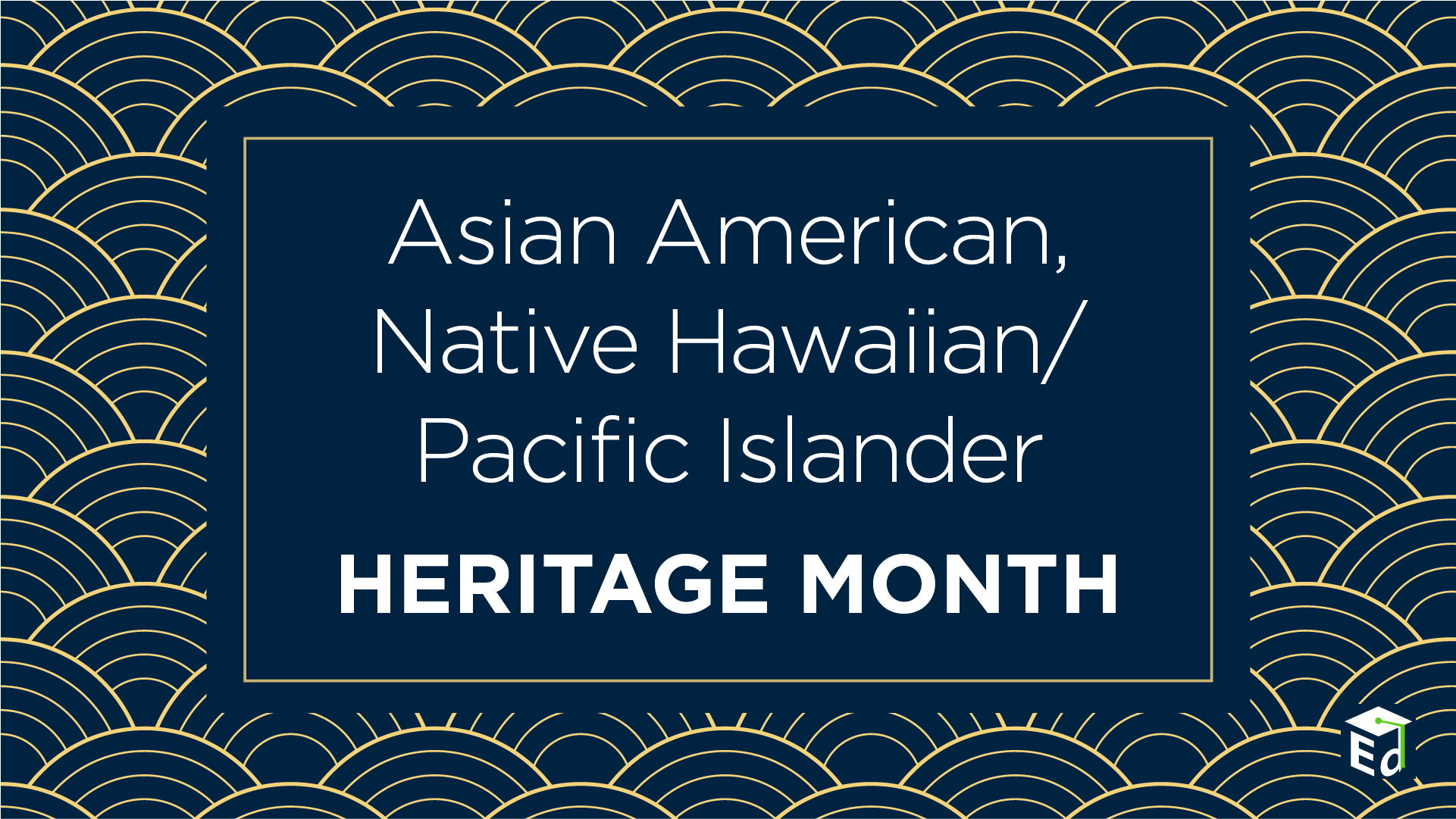
Asian American and Pacific Islander Heritage Month, honoring the histories, cultures, and contributions of Asian Americans and Pacific Islanders to the United States. AAPI communities represent enormous diversity across national origin, language, religion, and experience, and their stories are essential to a complete understanding of American history. Oregon educators will find strong connections to the Social Science Standards through themes of immigration, identity, civil rights, and community resilience.
May is
Asian American and Pacific Islander Heritage Month, honoring the histories, cultures, and contributions of Asian Americans and Pacific Islanders to the United States. AAPI communities represent enormous diversity across national origin, language, religion, and experience, and their stories are essential to a complete understanding of American history. Oregon educators will find strong connections to the Social Science Standards through themes of immigration, identity, civil rights, and community resilience.
Connections to the Classroom
AAPI Heritage Month connects naturally to Oregon Social Science Standards addressing immigration history, the experiences of historically underrepresented communities, and the ongoing work of building an inclusive democracy. The Japanese American Museum of Oregon's educator workshop this summer offers a deeper dive into one of the most significant civil liberties stories in American history.
Resources
Oregon/Local Events (In-Person)
-
Lan Su Chinese Garden is running AANHPI Heritage Month programming all of May. Events include Cultural Immersion Saturdays (May 10, 17, 24 & 31), each spotlighting a different AANHPI culture, and Family Fun Sundays on May 4, 18, and 25 with interactive games, crafts, and art for all ages. Also check out
the Official Guide to Portland.
-
Oregon Rises Above Hate coordinates AANHPI events across Portland throughout May, including community performances and free admission days at local cultural institutions.
-
Japanese-American Museum of Oregon (Old Town, Portland) runs special programming and exhibits during Heritage Month.
Online Resources for K-12 Educators
- The Smithsonian, Library of Congress, National Archives, and National Park Service all share
AAPI resources, podcasts, and collection items. It also includes a K-12 Teacher's Guide.
-
AAPI History Hub is specifically built for educators. It includes K-5 and 6-12 planning guides showing where AAPI history fits into existing curricula, plus professional learning opportunities and tools for families.
-
Share My Lesson has a free AANHPI Heritage collection. Resources are standards-aligned and designed for social studies, ELA, and SEL integration, covering leaders in politics, science, sports, and the arts.
- The Anti-Defamation League has a compiled a K-12 AAPI Heritage Month resource list with
classroom-ready materials.
May is Military Appreciation Month
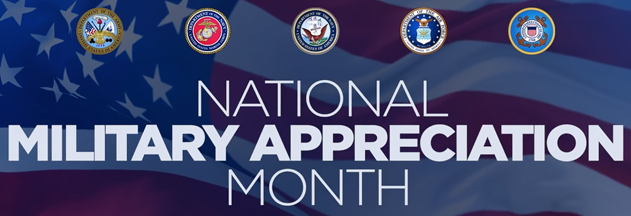
Military Appreciation Month is observed every May as a nationwide tribute to the service, sacrifice, and commitment of the U.S. Armed Forces, past and present. Throughout the month, communities, organizations, and government agencies honor active duty service members, National Guard and Reserve members, veterans, and military families for the essential role they play in protecting the nation. It’s a time to recognize their contributions, express gratitude, and strengthen the connection between civilians and the military community.
Check out these resources to learn more:
Student Opportunity: Road Safety Art Contest
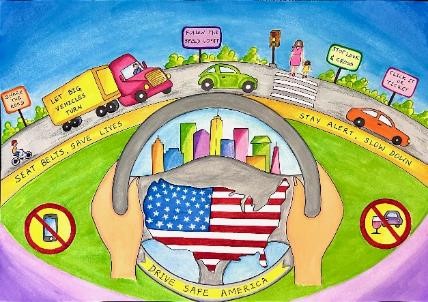 Our partners at the Oregon Department of Transportation and the U.S. Department of Transportation (USDOT) invite students to unleash their creativity and let their imagination shine by participating in the annual Road Safety Art Contest.
The Federal Motor Carrier Safety Administration (part of USDOT) is holding its annual Road Safety Art Contest, inviting K-12 students nationally to creatively depict how to stay safe on the road around large trucks and buses. Submissions can be original artwork, digital art, a photo or a video – whatever inspires the student – and winners will be awarded in four categories based on grade.
Entries are accepted through June 5, 2026.
View contest rules, how to enter and more online.
Please contact
fmcsa.outreach@dot.gov with any questions.
Student Spotlight